

The hunchback is an outward manifestation of kyphosis. The hunchback is a relatively common spinal deformity and is a morphological change caused by the thoracic spine. Mainly due to weak back muscles, slack and weakness. The purpose of the corrective exercise is to enhance the strength of the spinal extensor and pull the ligaments in front of the chest in the meantime. The human spine is arched backwards, mostly caused by diseases such as old spine deformation, sitting posture or rickets, and ankylosis spondylitis. According to the characteristics of kyphosis, it is mainly divided into posture round back deformity, congenital kyphosis, ankylosis spondylitis, and lumbar Scheuermann's disease.
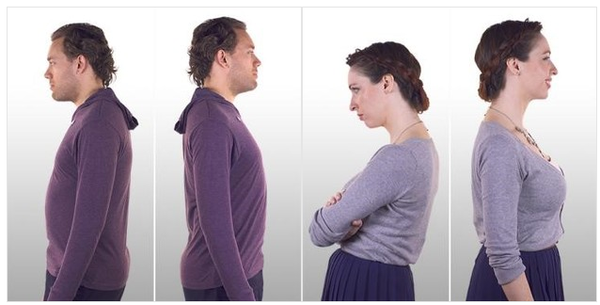
Reasons for your hunchback
1. Postural round back deformity. As the name implies, is a hunchback caused by faulty postures. Longer in everyday life, activities are not limited and easy to correct. In addition to affecting the appearance, there is generally no harm just not good looking.
2.Parents selected the wrong mat caused baby humpback. The preparation of the newborn's mat is also very important. The mat should be not too soft. It is best to use the old mat to make a mattress for new born, and then lay a thin layer of batting on it. Because the newborn's bones are soft and are in the stage of development and growth. If the mattress is too soft, such as a soft spring mattress or a sponge pad, the baby's spine can often be bent and easily cause deformation of the spine, or even occur. Hunchback, and is not conducive to neonatal activities, affecting the development of bones and muscles.
3.Lumbar Scheuermann's disease. A stiff kyphosis (hunchback) deformity of the thoracic spine or thoracolumbar spine common in adolescents is called Scheuermann's disease. The disease has a familial predisposition, and its genetic code is not yet clear. It may be autosomal dominant inheritance. The lesion occurs in the second ossification center of the vertebral body, namely the epiphyseal plate above and below the vertebral body. Because of various reasons, epiphyseal plate blood supply decreases, cartilage plate thinning and pressure resistance decrease. Under excessive load, fragmented nucleus pulposus protrudes into the vertebral body at the rupture site, forming the so-called Schmorl nodule. With the increase of age and the growth of the body, the height of the posterior half of the vertebral body is more and more higher than that of the anterior half. The vertebral body forms a wedge. Several wedge-shaped vertebral bodies increase the kyphosis of the thoracic vertebrae and form a humpback.
4. Because of osteoporosis in the elderly, the vertebral body is prone to cause hunchback caused by pressure fracture. Osteoporosis causes fractures to occur in the wrist, spine, and hip. About 30% of women over the age of 50 have one or more vertebral fractures, and about one in five men over the age of 50 will have osteoporosis fractures in the rest of their lives. Once the elderly are found to be bent over, they should be careful. May have osteoporosis.
5. Vitamin D deficiency disorders: systemic disorders of calcium and phosphorus metabolism and bone changes caused by vitamin D deficiency in the body. The prominent manifestation of osteoporosis is the coexistence of rickets in children and osteomalacia in adults. It also affects the functions of nerve, muscles, hematopoiesis, immunity and other organs, and seriously affects the growth and development of children.
6.Ankylosing spondylitis: With the progress of the disease, the whole spine can be stiffened from the bottom to the top. First, the lumbar lordosis curve disappears, then the thoracic kyphosis shows a hunchback deformity; with the involvement of the cervical spine, the cervical spine movement is restricted. And finally the movement of the spine in all directions is restricted.

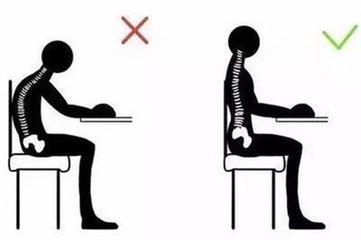
Humpback deformity in daily life should be paid attention to, diagnosis in time , early treatment. It's more important to prevent hunchback. When we sit up, we must straighten our chest and let our shoulders droop naturally. When we sit down, we should not put both elbows on the table at the same time. We should pay attention not to sit full of stools. Otherwise, it will reduce the support of our feet to our body. Attention should also be paid to reasonable construction with nutrition,and do more outdoor sports, sleep on a rigid bed to thicken the mattress, can not pillow too high. Posure corrector can be worn if necessary.